
Every single day, the average household wastes a staggering amount of water and energy without ever realizing it. A dripping faucet, a constantly running commode, or an outdated showerhead can silently drain hundreds of gallons down the pipes each week, while poorly insulated pipes and inefficient heating units quietly inflate monthly utility bills. Historically, home efficiency was viewed purely through an environmental lens. However, in the modern era of rising energy costs, efficiency is fundamentally about economic strategy, property protection, and elevated comfort. Upgrading your space is no longer just about saving the planet; it is about keeping more money in your pocket, preventing catastrophic water damage, and transforming a purely utilitarian room into a high-performance, spa-like sanctuary.
The path to a fully optimized space requires moving beyond purely cosmetic updates like fresh paint or new towels. True efficiency requires a holistic approach that addresses the underlying systems that power the room. Audit your current infrastructure, swap out resource-heavy fixtures for intelligent alternatives, optimize your water supply, and choose materials that passively retain heat. By focusing on systemic upgrades, you can dramatically lower your operational costs while significantly increasing the resale value of your property.
Audit Your Current Usage and Identify Leak Zones
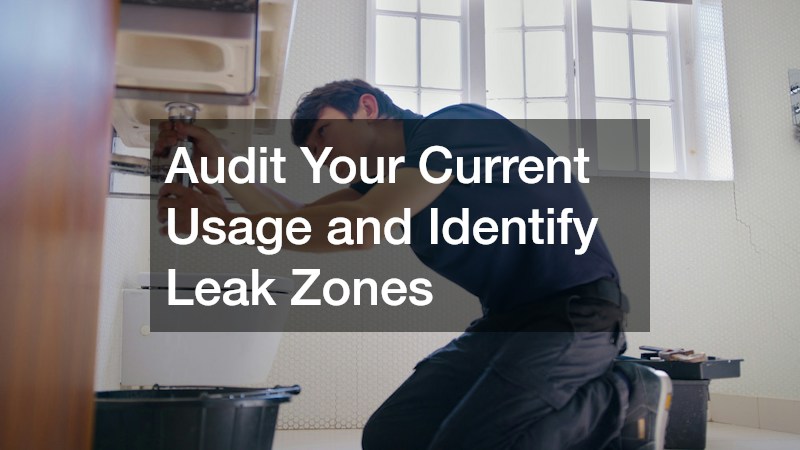
Before you begin tearing down drywall or purchasing high-end fixtures, you must establish a strict baseline of your current water and energy consumption. The foundational step in any successful bathroom remodeling project is understanding exactly where your current layout is failing you. Without a thorough audit, you risk covering up hidden inefficiencies with expensive cosmetic materials.
The most critical part of this initial audit is uncovering silent leaks. Micro-leaks behind walls or under vanities can waste thousands of gallons a year and cause severe structural rot over time. To detect these hidden issues, perform a simple DIY water meter test to establish your baseline.
- First, ensure that all faucets, appliances, and exterior hoses connected to your property are completely turned off.
- Locate your main water meter and record the exact number displayed on the dial or digital screen.
- Wait for exactly two hours without turning on any water source in the home to ensure an accurate reading.
- Check the meter again. If the number has increased, you have a continuous leak somewhere in your system that must be addressed before proceeding.
Once you have confirmed your system is leak-free, you need to measure the output of your current fixtures. Older fixtures are notorious resource hogs, but you cannot know how much you will save until you know how much you are currently wasting. You can measure the Gallons Per Minute (GPM) of your current setup using a standard bucket and a stopwatch. Place a one-gallon bucket under your spout, turn the water on full blast, and time exactly how long it takes to fill to the brim. If it takes less than twenty seconds, your fixture is highly inefficient. Document the flow rates of every fixture in the room to set clear, data-driven goals for your upgrade.
Swap Out High-Flow Fixtures for Low-Flow Alternatives
Once your audit is complete, the fastest way to slash your daily resource consumption is by replacing outdated, high-flow fixtures with modern, low-flow alternatives. Decades ago, standard commodes used three to five gallons per flush, and older showerheads blasted out five gallons per minute. Today, technological advancements achieve superior water pressure while using a tiny fraction of those resources.
When sourcing replacements, exclusively look for products bearing the EPA WaterSense label. These certified products have been rigorously tested to use at least twenty percent less water than federal standards require, all without sacrificing performance or water pressure.
- Consider upgrading to a dual-flush commode. These models feature a two-button system that uses around 0.8 gallons for liquid waste and 1.28 gallons for solid waste. Over the lifespan of the fixture, the massive water savings easily justify the initial cost of the toilet installation.
- Invest in aerating showerheads. These ingeniously designed fixtures draw ambient air into the water stream, creating a voluminous spray that feels like high pressure but actually cuts your water volume in half.
- Look into thermostatic mixing valves, which automatically balance hot and cold water to reach your desired temperature instantly, eliminating water waste.
Efficiency is also about retaining the heat you have already paid to generate. Every bit of steam that escapes the bathing area forces your home’s central heating system to work harder to maintain ambient room temperatures. By installing thick, properly sealed glass shower doors rather than relying on flimsy fabric curtains, you create a thermal envelope. This traps the steam and ambient heat exactly where you need it most, keeping you comfortably warm while bathing without needing to crank up the home’s primary thermostat.
Upgrade the Quality of Your Supply to Protect Fixtures
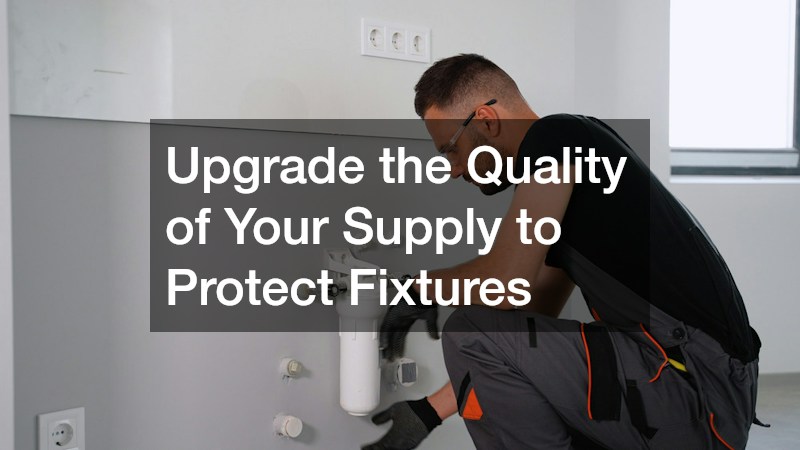
Achieving premium efficiency is not just about reducing the volume of water you use; it is equally about managing the quality of the water flowing through your system. Hard water, saturated with dissolved minerals like calcium and magnesium, is the quiet destroyer of modern plumbing fixtures. When hard water flows through your home, these microscopic minerals precipitate out of the liquid and cling to the internal mechanisms of your pipes, valves, and aerators. Over time, this mineral scaling forms a concrete-like barrier that chokes water flow, forces your appliances to work exponentially harder, and drastically shortens the lifespan of your expensive new fixtures.
Furthermore, hard water negatively impacts your daily routines. Minerals prevent soap and shampoo from lathering properly, meaning you have to use significantly more product and spend longer under the running water just to rinse clean. This entirely defeats the purpose of installing low-flow fixtures.
- Installing a whole-house water softener is the most effective defense against mineral scaling. These systems utilize an ion-exchange process, swapping destructive calcium and magnesium for benign sodium, which prevents scale buildup and allows water to flow freely.
- In addition to softening, integrating comprehensive water filtration systems can further enhance efficiency by removing chlorine, sediment, and volatile organic compounds from the supply line.
- Clean water extends the life of the delicate rubber gaskets and seals inside your valves, preventing the slow, silent drips that erode efficiency over time.
By purifying and softening your supply before it ever reaches your fixtures, you ensure that your investments operate at peak performance for decades. Clean water protects the microscopic pathways inside aerators and thermostatic valves, ensuring that the precise engineering of your high-efficiency setup remains perfectly uncompromised by environmental contaminants.
Optimize Your Heating Source for Lower Energy Bills
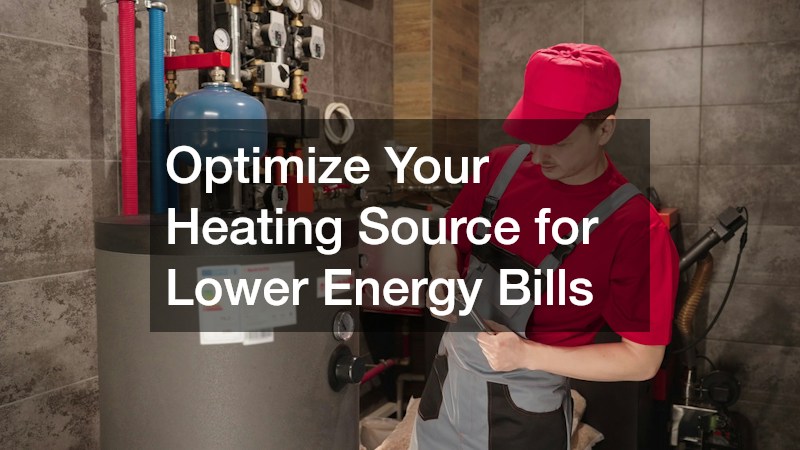
Water heating is typically the second largest energy expense in a household. Therefore, a massive component of building an efficient space relies on optimizing the device generating your hot water. Many homeowners overlook their heating units until they fail completely, but proactive optimization can yield immediate and substantial financial returns.
The simplest and most immediate efficiency upgrade costs absolutely nothing: adjusting your thermostat. Many manufacturers set heating units to 140 degrees Fahrenheit by default. However, keeping water constantly heated to this temperature is incredibly wasteful and poses a severe scalding risk. Lowering the internal thermostat to exactly 120 degrees Fahrenheit provides ample heat for comfortable bathing, prevents scalding, and reduces standby heat loss, saving you a considerable amount of money annually.
- Insulate all exposed hot water pipes leading to the bathing area. By wrapping these lines in inexpensive polyethylene foam tubing, you prevent thermal bleed into the surrounding air so water arrives at your faucet faster and hotter.
- Flush your tank annually to remove heavy sediment buildup. Minerals settle at the bottom of the tank, creating an insulating barrier that forces the unit to burn more gas or electricity to heat the water.
- Consider upgrading to a tankless, on-demand unit if your current tank is failing. Tankless units only heat water exactly when you need it, entirely eliminating standby energy waste.
It is vital to monitor your unit for warning signs of failing efficiency. If you notice wildly inconsistent temperatures, hear popping or rumbling noises, or see rusty discoloration, the unit is struggling. Proactively addressing these minor issues with targeted water heater repairs will restore thermal efficiency and prevent catastrophic failure, saving you from a massive, unexpected replacement bill.
Choose Thermal-Retaining and Sustainable Surface Materials
True efficiency extends beyond plumbing and heating systems; it also encompasses the physical materials used to construct the space. The surfaces you choose dictate how well the room retains heat, which directly impacts your broader energy consumption. In older designs, drafty spaces forced homeowners to rely on inefficient space heaters or an overworked central furnace just to make the room tolerable.
When selecting new surfaces, prioritize high-density materials with excellent thermal mass. Materials like porcelain or natural stone absorb, hold, and slowly release ambient heat far better than thin vinyl or basic linoleum. While natural stone can feel cool initially, once the room warms up from a shower or the central heating system, these dense materials lock in the warmth, maintaining a comfortable temperature for hours without requiring additional energy input.
To maximize this thermal efficiency, consider integrating advanced heating technologies directly into the architecture.
- Installing radiant floor heating under dense porcelain tiles is a profoundly efficient way to warm the space, as the radiant hydronic or electric mat system warms the room evenly from the ground up.
- By keeping your feet warm, radiant heating tricks your body into feeling warmer overall, allowing you to drastically lower the thermostat for the rest of the house while maintaining comfort.
- Always consult with experienced flooring contractors before purchasing materials for radiant systems, as certain types of wood or thick carpeting can act as insulators, blocking the heat from radiating properly.
Beyond thermal retention, sustainable sourcing is key. Countertops made from recycled glass, cabinetry crafted from rapidly renewable bamboo, and tiles manufactured from reclaimed ceramics offer unparalleled durability. Choosing these sustainable materials ensures that modern bath remodels are not only hyper-efficient in operation but also environmentally responsible in their construction.
Implement a Preventative Maintenance Schedule
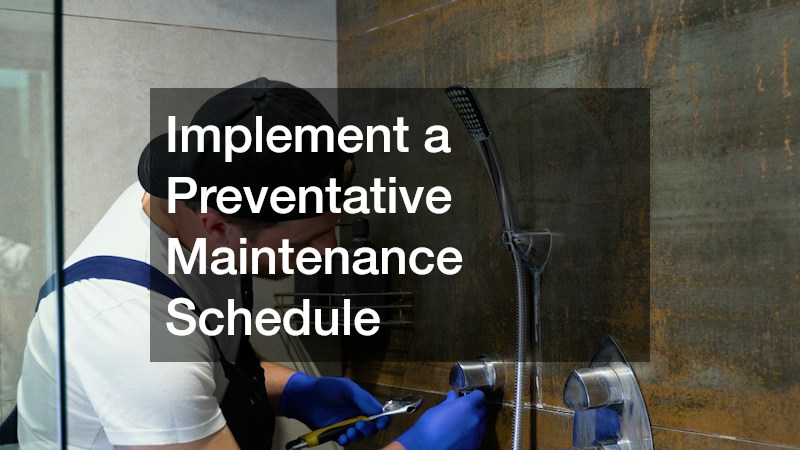
The final component of efficiency is longevity. You can install the most advanced fixtures and highly optimized heating systems, but if you neglect routine upkeep, their efficiency will inevitably plummet. Establishing a strict, preventative maintenance schedule is the only way to lock in your utility savings over the long term and protect your investment from premature degradation. A well-maintained system flows flawlessly, utilizing minimum pressure to achieve maximum results. Conversely, a neglected system develops microscopic clogs, failing seals, and scale buildup, all of which force the plumbing to work harder and consume more energy.
Create a monthly, DIY inspection checklist for your household to keep everything running perfectly.
- Remove the aerators from every faucet and soak them overnight in white vinegar to naturally dissolve any mineral buildup that is restricting flow and forcing water out at inefficient angles.
- Inspect the caulking around all water sources and windows. Even tiny gaps in the sealant can allow cold drafts to enter, ruining your thermal efficiency, or allow moisture to escape into the drywall.
- Check the P-traps under your sinks with a flashlight to ensure there are no slow drips that are silently running up your monthly water bill.
When dealing with slow-running pipes, you must avoid the temptation of cheap, store-bought chemical clearers. These caustic liquids slowly eat away at PVC and copper piping. For stubborn blockages that reduce flow capacity, it is much safer and more efficient to hire a professional drain cleaning service to mechanically clear the lines. Furthermore, establishing a long-term relationship with a licensed plumbing company for annual preventative inspections ensures that hidden inefficiencies are caught and corrected well before they have a chance to severely inflate your utility bills.
Creating a highly efficient space requires a thoughtful, comprehensive strategy that touches upon every single aspect of your daily routines. By taking the time to audit your current usage and accurately identify hidden leaks, you lay a solid foundation for meaningful improvements. Swapping out outdated hardware for low-flow alternatives, investing in high-quality supply purification, and optimizing your heating elements will collectively slash your daily water and energy consumption to a fraction of what it once was. Furthermore, selecting smart, thermal-retaining surface materials and committing to a rigorous preventative maintenance schedule will ensure that these upgrades continue to deliver massive financial returns for decades to come.
While upgrading your infrastructure requires an initial investment of both time and capital, the long-term savings on your monthly utility bills and the undeniable increase in your property’s resale value make it an incredibly sound financial decision. Do not wait for a catastrophic failure to force your hand. Start small today—whether by ordering a simple water testing kit, insulating your exposed pipes, or scheduling a baseline fixture audit—and take the first step toward a more efficient, luxurious home.

