Introduction
Maintaining a home involves much more than occasional repairs or seasonal cleaning. It requires a coordinated effort across multiple systems, each contributing to the safety, efficiency, and comfort of your living space. From heating and cooling to roofing, plumbing, and structural protection, every component plays a role in keeping your home running smoothly. When even one of these systems fails, it can create a ripple effect that impacts other areas of the property.
A proactive approach to home maintenance focuses on prevention, early detection, and timely repairs. By understanding how different systems function and interact, homeowners can make informed decisions about when to perform maintenance, when to upgrade, and when to call in professionals. This not only reduces the likelihood of emergencies but also helps manage long-term costs more effectively.
This guide explores essential home services that help protect, repair, and support your property over time. With actionable tips, maintenance checklists, and practical insights, you’ll gain the knowledge needed to keep your home safe, efficient, and prepared for whatever challenges arise.
Why a Proactive Approach Matters
Taking a structured and proactive approach to home care provides several key benefits:
- Reduces the risk of unexpected and costly repairs
- Extends the lifespan of major home systems and appliances
- Improves overall energy efficiency and lowers utility bills
- Enhances safety by identifying hazards early
- Maintains or increases property value over time
Homeowners who stay organized and consistent with maintenance tasks are better equipped to handle both routine upkeep and sudden issues. Establishing a yearly maintenance calendar and tracking service history can make a significant difference in long-term property management.
Keeping Indoor Systems Running Efficiently Year-Round
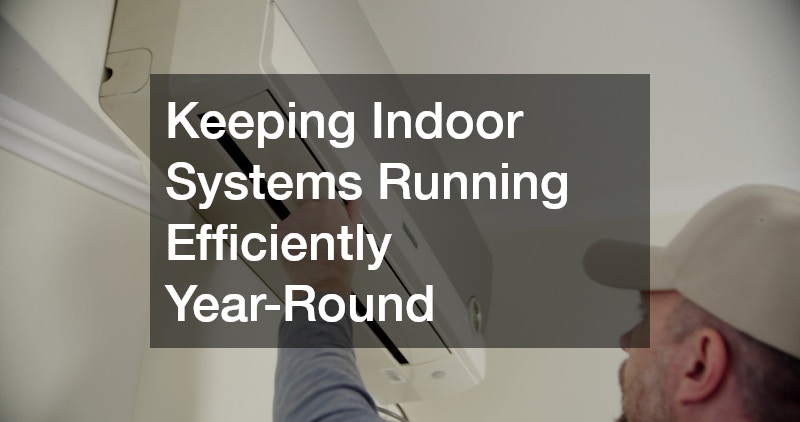
Your home’s comfort depends heavily on the performance of its heating and cooling systems. These systems work year-round, often under significant strain during extreme weather conditions. Ensuring they operate efficiently requires regular attention and a commitment to preventive care.
Working with a reliable HVAC company allows homeowners to stay ahead of potential issues. Routine inspections can identify worn components, airflow problems, and inefficiencies that might otherwise go unnoticed. Addressing these concerns early prevents breakdowns and reduces energy consumption.
Key Steps to Maintain Indoor Comfort Systems
- Replace air filters every 1–3 months
- Clean vents and ensure unobstructed airflow
- Check thermostat accuracy and upgrade to programmable models
- Schedule seasonal tune-ups before peak heating or cooling periods
Improving energy efficiency also involves sealing gaps around doors and windows and ensuring proper insulation. These measures reduce the workload on your HVAC system and help maintain consistent indoor temperatures.
Additional Tips for System Efficiency
- Use ceiling fans to help circulate air and reduce system strain
- Keep outdoor units clear of debris, leaves, and vegetation
- Inspect ductwork periodically for leaks or damage
- Upgrade to energy-efficient systems when older units become unreliable
Another important factor is indoor air quality. Dust, allergens, and pollutants can accumulate over time, affecting both health and system performance. Regular cleaning and maintenance help create a healthier living environment while extending the lifespan of your equipment.
Investing in air purifiers, humidifiers, or dehumidifiers can further enhance indoor air quality, especially in regions with extreme seasonal changes. By combining proper maintenance with smart upgrades, homeowners can ensure their indoor systems remain efficient, reliable, and capable of delivering consistent comfort throughout the year.
Preventing Costly Plumbing Issues Before They Escalate
Plumbing systems are essential for daily living, yet they are often overlooked until a problem arises. Small leaks, slow drains, and pressure inconsistencies can signal larger issues developing behind the scenes.
Hiring experienced plumbers for routine inspections can help identify potential problems early. Professional evaluations ensure that pipes, fixtures, and connections remain in good condition and function efficiently.
Scheduling a drain cleaning service is another critical step in preventing clogs and backups. Over time, debris such as grease, soap residue, and hair can accumulate in pipes, restricting water flow and increasing the risk of blockages.
Homeowners can also take preventative measures, including:
- Avoiding disposal of grease or food scraps in drains
- Using drain screens to catch debris
- Monitoring water pressure for sudden changes
- Inspecting visible pipes for corrosion or leaks
Regular maintenance reduces the risk of water damage, improves system efficiency, and helps avoid costly emergency repairs.
Protecting Your Home from Roof Damage and Wear
Your roof is one of the most important protective elements of your home. It shields against weather, insulates the structure, and contributes to overall energy efficiency. Without proper care, even minor issues can lead to significant damage.
Partnering with a reputable roofing company ensures that your roof is inspected and maintained regularly. Professional roofers can identify issues such as missing shingles, damaged flashing, and early signs of leaks before they worsen.
Routine roof maintenance includes:
- Inspecting for visible damage after storms
- Cleaning gutters to prevent water buildup
- Checking attic spaces for signs of moisture or mold
- Trimming nearby tree branches to reduce debris accumulation
Proper ventilation is also essential for roof health. Poor airflow can trap heat and moisture, leading to premature deterioration of roofing materials.
By staying proactive, homeowners can extend the lifespan of their roof and avoid costly structural repairs.
Responding Quickly to Water and Moisture Damage
Water damage is one of the most common and destructive issues homeowners face. It can result from plumbing failures, roof leaks, or natural disasters, and it often leads to structural damage and mold growth if not addressed promptly.
Engaging a water restoration service ensures that affected areas are properly cleaned, dried, and repaired. Professionals use specialized equipment to remove moisture and prevent further damage.
Immediate steps to take in the event of water damage include:
- Shutting off the water source if possible
- Removing standing water and drying affected areas
- Ventilating the space to reduce humidity
- Documenting damage for insurance purposes
Preventative measures are equally important. Regular inspections of plumbing, roofing, and drainage systems help minimize the risk of water-related issues.
Maintaining proper grading around your home and ensuring gutters function correctly can also prevent water from accumulating near the foundation.
Recovering from Fire Damage Safely and Effectively
Fire incidents can cause extensive damage, affecting both the structure of a home and the health of its occupants. Even after flames are extinguished, smoke, soot, and water used in firefighting efforts can create additional challenges.
Professional fire damage repair services are essential for restoring affected areas. These experts assess the extent of damage, remove hazardous materials, and rebuild compromised structures.
Key Steps in Fire Recovery
- Securing the property to prevent further damage
- Removing debris and cleaning affected surfaces
- Eliminating smoke odors through specialized treatments
- Rebuilding damaged areas to restore functionality
Safety should always be the top priority. Structural integrity must be evaluated before re-entering the home, and protective equipment should be used during cleanup.
In addition to visible damage, hidden issues such as weakened support beams, compromised wiring, and lingering smoke particles can pose long-term risks. Air quality testing and deep cleaning of HVAC systems may be necessary to fully restore a safe living environment. Soft materials like carpets, curtains, and insulation often absorb smoke odors and may require replacement rather than cleaning.
Preventative Measures
- Install and regularly test smoke detectors
- Maintain electrical systems and avoid overloaded circuits
- Keep fire extinguishers accessible in key areas
- Create and practice a home fire evacuation plan
Homeowners should also consider fire-resistant building materials and safe storage practices for flammable items to further reduce risk.
Preparing for and Recovering from Severe Weather Events
Severe weather can cause significant damage to homes, particularly in regions prone to storms, heavy rain, or high winds. Preparation is key to minimizing impact and ensuring a swift recovery.
Storm damage restoration professionals play a vital role in repairing and rebuilding after weather-related incidents. Their expertise helps homeowners address structural damage, water intrusion, and debris removal.
Preparation Strategies
- Reinforcing windows and doors
- Securing outdoor furniture and equipment
- Inspecting roofing and drainage systems
- Keeping emergency supplies on hand
Additional preparation steps include reviewing insurance policies to understand coverage and installing backup power sources such as generators to maintain essential systems during outages.
Post-Storm Recovery Steps
- Assess damage safely and thoroughly
- Document issues for insurance claims
- Address urgent repairs to prevent further damage
- Schedule professional inspections for hidden problems
After a storm, homeowners should also:
- Clear debris from gutters and drainage systems
- Check basements and crawlspaces for water intrusion
- Monitor for mold growth or delayed structural issues
Taking these steps helps protect your home and ensures a quicker return to normalcy.
Managing Soil, Drainage, and Landscape Stability
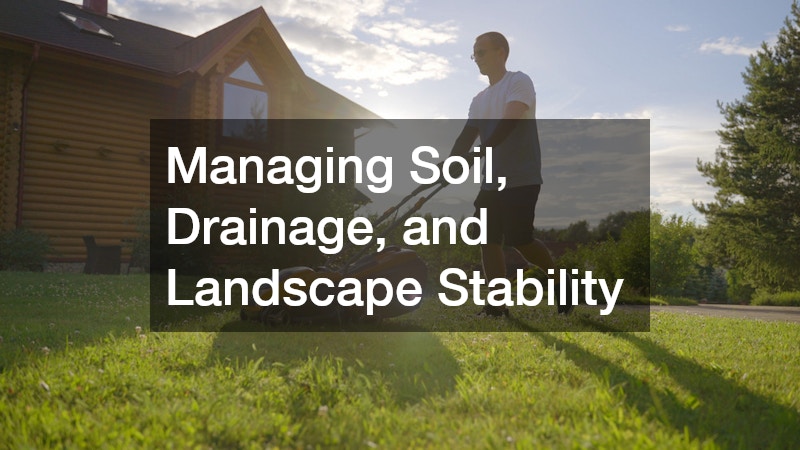
The condition of your property’s landscape has a direct impact on its structural integrity. Poor drainage and soil erosion can lead to foundation issues, water damage, and loss of usable land.
Hiring an erosion control service can help stabilize soil and prevent long-term damage. These professionals use techniques such as grading, retaining walls, and vegetation planting to manage water flow and protect the landscape.
Homeowner Support Strategies
- Monitor areas prone to erosion or pooling water
- Maintain proper grading around the foundation
- Install drainage solutions such as French drains
- Use ground cover plants to stabilize soil
Additional protective measures include:
- Applying mulch, gravel, or erosion control mats to reduce runoff
- Inspecting landscaping after storms for shifting or damage
- Adjusting irrigation practices to avoid overwatering or soil weakening
Balanced watering schedules help maintain both plant health and soil stability. Proper landscape management not only protects your home but also enhances its appearance and usability.
Planning a Smooth and Organized Relocation
Moving can be a complex and stressful process, especially without proper planning. Coordinating logistics, packing belongings, and managing timelines require careful organization.
Working with a professional moving company simplifies the process and ensures that items are transported safely. Experienced movers handle packing, loading, and transportation, reducing the risk of damage and injury.
Key Steps for a Successful Move
- Create a detailed moving timeline
- Declutter and organize belongings before packing
- Label boxes clearly for easy unpacking
- Protect fragile and valuable items
- Come up with a strategic plan
To further streamline the process, homeowners should:
- Notify utility providers and transfer services in advance
- Update mailing addresses and important accounts
- Create an inventory list to track belongings
Moving Day Essentials
- Prepare a kit with important documents
- Include toiletries, medications, and basic supplies
- Plan ahead for children and pets to reduce stress
By planning ahead and utilizing professional services, homeowners can reduce stress and ensure a smooth transition to their new location.
Coordinating Multiple Services for Maximum Efficiency

Managing multiple home systems and service providers can be challenging, but a coordinated approach improves efficiency and reduces costs. Instead of addressing issues individually, homeowners should consider how different systems interact and plan maintenance accordingly.
Effective Coordination Strategies
- Create a comprehensive maintenance schedule
- Prioritize tasks based on urgency and impact
- Combine related projects to reduce disruption
- Maintain records of inspections and repairs
Using digital tools or home maintenance apps can help track schedules, store documentation, and set reminders for recurring tasks.
Long-Term Planning Tips
- Build relationships with trusted service providers
- Budget for both routine maintenance and unexpected repairs
- Group services (e.g., roofing and gutter inspections) to save time and money
- Review service history regularly to plan future upgrades
This level of organization ensures that no critical maintenance is overlooked and that your home remains in optimal condition.
Conclusion
Maintaining a home requires a proactive and well-organized approach. By focusing on essential systems such as HVAC, plumbing, roofing, restoration, and landscaping, homeowners can protect their property and ensure long-term performance.
Regular inspections, preventive maintenance, and timely repairs play a crucial role in avoiding costly issues and extending the lifespan of key components. Working with experienced professionals provides valuable expertise and ensures that each aspect of the home is properly cared for.
Consistency is key when it comes to home maintenance. Small, routine efforts can prevent major disruptions and preserve both the structural integrity and aesthetic appeal of your property. With careful planning and consistent attention, homeowners can create a safe, efficient, and comfortable living environment. A strategic approach to home services not only protects your investment but also enhances your overall quality of life.